The Foreign Earned Earnings Exemption Explained: An Overview to Enhancing Your Common Deduction
The Foreign Earned Revenue Exclusion (FEIE) is a crucial tax obligation arrangement for U.S. people and resident aliens living abroad. It enables qualified expatriates to leave out a substantial part of their foreign-earned income from federal tax obligations. Comprehending the nuances of FEIE can lead to substantial tax savings. Nevertheless, many people forget essential details that can affect their eligibility and advantages. Discovering these aspects may reveal opportunities for improved tax obligation end results.
Understanding the Foreign Earned Revenue Exclusion
Lots of migrants seek possibilities abroad, recognizing the Foreign Earned Income Exclusion (FEIE) is crucial for managing their tax obligation responsibilities. This arrangement permits U.S. citizens and resident aliens living overseas to exclude a certain amount of their made revenue from federal taxation. The FEIE was developed to alleviate the tax concern on people that stay outside the United States, recognizing the special monetary obstacles they might encounter.
Qualification Demands for FEIE

Just how to Claim the FEIE
To effectively claim the Foreign Earned Earnings Exclusion (FEIE), taxpayers should first verify their eligibility based upon certain standards - FEIE Standard Deduction. The process includes several actions, consisting of filing the proper forms and giving required paperwork. Understanding these requirements and treatments is vital for taking full advantage of tax obligation benefits while living abroad
Eligibility Needs
Eligibility for the Foreign Earned Income Exclusion (FEIE) depends upon meeting specific requirements set by the internal revenue service. To qualify, people must be U.S. residents or resident aliens who earn earnings while functioning abroad. They need to develop a foreign tax obligation home, which indicates their primary workplace is outside the United States. Additionally, candidates must meet either the Bona Fide Residence Test or the Physical Visibility Test. The Authentic Home Test calls for that a taxpayer lives in an international country for a whole tax obligation year, while the Physical Existence Test necessitates spending at the very least 330 complete days in an international nation throughout a 12-month period. Fulfilling these requirements is vital for declaring the FEIE.
Filing Process Steps
Just how can one effectively navigate the process of claiming the Foreign Earned Earnings Exclusion (FEIE)? First, people must determine their qualification based upon the physical visibility examination or the authentic house test. Once verified, they need to finish internal revenue service Form 2555, which details foreign earnings and residency. This form must be attached to their annual tax return, generally Type 1040. It is necessary to accurately report all foreign earned earnings and guarantee compliance with the IRS guidelines. Furthermore, taxpayers ought to keep appropriate documents, such as foreign have a peek at these guys tax obligation returns and proof of residency. By following these actions, individuals can effectively claim the FEIE and possibly minimize their gross income substantially, improving their general monetary placement.
Determining Your International Earned Earnings Exclusion
While many expatriates look for to optimize their monetary benefits abroad, understanding the computation of the Foreign Earned Earnings Exemption is necessary for exact tax coverage. The Foreign Earned Income Exclusion allows certifying individuals to leave out a specific quantity of their international revenues from U.S. taxation, which is adjusted annually for rising cost of living. To calculate this exemption, expatriates have to identify their complete foreign earned income, which typically consists of wages, salaries, and specialist fees made while residing in a foreign nation.
Next, they must complete IRS Type 2555, giving details about their foreign residency and work standing. FEIE Standard Deduction. It's essential to meet either the authentic home test or the physical presence examination to certify for the exclusion. As soon as these variables are developed, the optimum permitted exclusion quantity is applied, decreasing the person's taxable earnings considerably. Accurate calculations can bring about significant tax obligation cost savings for expatriates living and working abroad
The Impact of FEIE on Other Tax Advantages
The Foreign Earned Earnings Exemption (FEIE) can influence an individual's qualification for particular tax obligation advantages, including the basic reduction. By excluding foreign gained income, taxpayers may locate their modified gross earnings impacted, which subsequently can impact their certification for different tax obligation credit reports. Recognizing these communications is crucial for enhancing tax results while living abroad.
Interaction With Standard Deduction
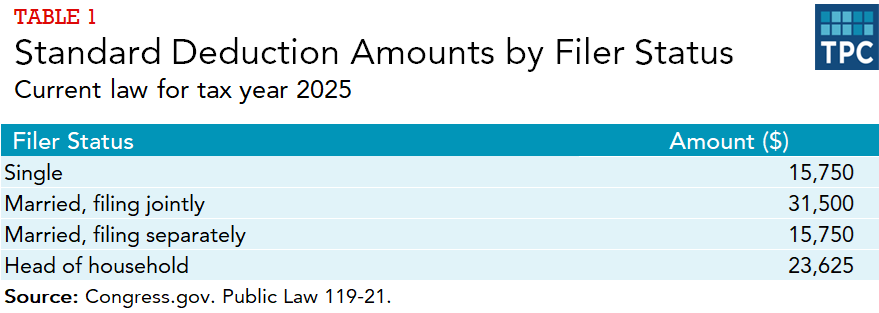
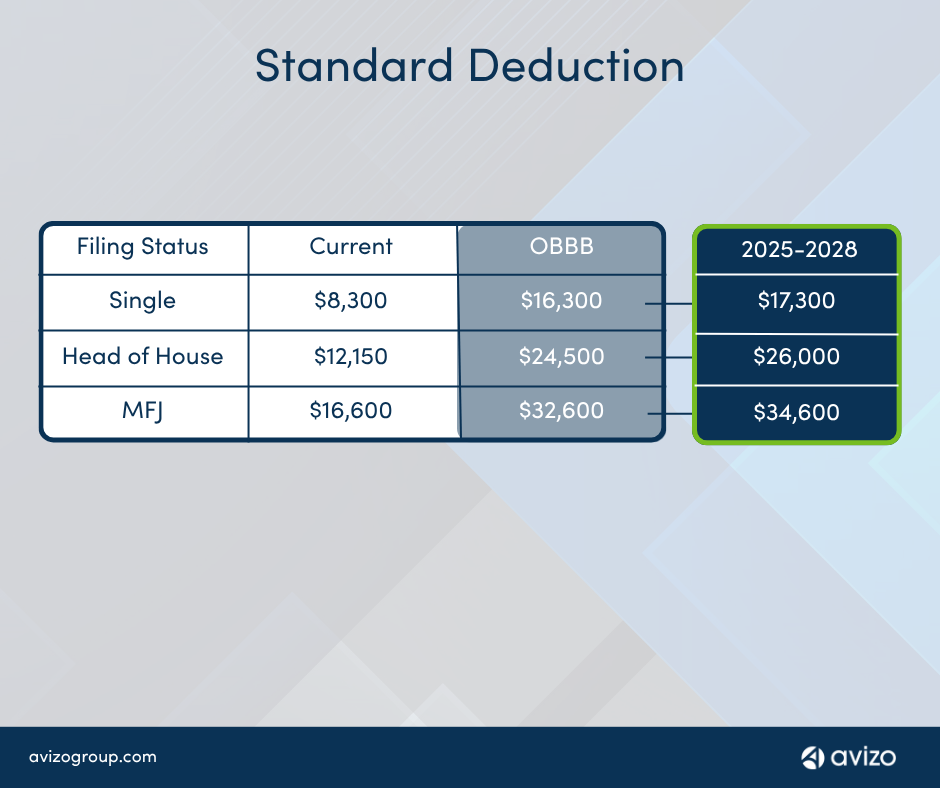
When people receive the Foreign Earned Earnings Exclusion (FEIE), their eligibility for the typical reduction may be affected, possibly changing their overall tax obligation obligation. The FEIE permits taxpayers to omit a certain quantity of gained income from united state taxation, which can bring about a decreased taxable income. Therefore, if the omitted earnings goes beyond the typical deduction, it can decrease the advantage of asserting that deduction. In addition, taxpayers that use the FEIE might locate that their capability to make a list of deductions is also affected, as particular expenditures might be impacted by the exclusion. Understanding this communication is crucial for expatriates to maximize their tax advantages while making sure conformity with U.S. tax obligation legislations
Qualification for Tax Credit Ratings
Guiding via the intricacies of tax credit histories can be testing for expatriates, particularly because the Foreign Earned Earnings Exemption (FEIE) can greatly impact qualification for these benefits. The FEIE enables eligible individuals to leave out a substantial section of their foreign incomes from U.S. tax, yet this exemption can additionally influence accessibility to numerous tax credit ratings. As an example, taxpayers who use the FEIE may discover themselves ineligible for credit reports like the Earned Income Tax Credit (EITC), as these credit scores commonly need taxable income. Furthermore, the exclusion may limit the capability to claim specific reductions or credit scores connected with dependents. Understanding the interplay in between the FEIE and offered tax credit scores is necessary for migrants intending to maximize their tax obligation circumstance.
Usual Mistakes to Avoid When Asserting FEIE
Typically, expatriates experience numerous pitfalls while asserting the Foreign Earned Revenue Exclusion (FEIE), which can cause costly errors or missed possibilities. One regular blunder is stopping working to satisfy the physical visibility or bona fide home test, which is crucial for qualification. Furthermore, migrants usually forget the need to submit Form 2555 properly, causing incorrect or incomplete submissions.
One more common mistake entails improperly computing international earned revenue, as many do not represent all appropriate income sources. Some migrants incorrectly think they can exclude all their earnings, not aware of the restrictions on the exclusion quantity. Ignoring to maintain appropriate paperwork, such as traveling days and residency standing, can jeopardize a claim. Misunderstanding the effects of the FEIE on other tax obligation credit reports may lead to unintended tax obligation liabilities. Awareness of these mistakes can facilitate a smoother asserting process and make the most of potential advantages.
Resources for Expats Navigating U.S. Tax Obligations
Steering united state tax obligation obligations can be you could check here challenging for migrants, particularly have a peek at this site after coming across pitfalls in declaring the Foreign Earned Earnings Exclusion (FEIE) To assist browse these complexities, a selection of resources are available. The IRS website gives substantial information on tax obligation guidelines, types, and Frequently asked questions especially tailored for expatriates. Furthermore, organizations like the American Citizens Abroad (ACA) and the Expat Tax obligation Professionals deal assistance and support to ensure conformity with tax laws.
Online forums and areas, such as the Deportee Discussion forum, enable migrants to share experiences and insights, cultivating a helpful atmosphere for those encountering comparable obstacles. Moreover, tax obligation preparation software program, like copyright and H&R Block, usually includes functions created for expats, making the declaring procedure a lot more user-friendly. Engaging with these sources can equip expatriates to better recognize their tax obligations and optimize benefits like the FEIE.
Regularly Asked Concerns
Can I Claim FEIE if I'M Self-Employed Abroad?
Yes, self-employed people abroad can declare the Foreign Earned Revenue Exclusion (FEIE) To qualify, they have to meet particular needs concerning residency and revenue, ensuring they follow internal revenue service standards for expatriates.

Is the FEIE Applicable to Foreign Pensions?
The Foreign Earned Earnings Exemption (FEIE) is not appropriate to international pensions. Pension plans are taken into consideration unearned revenue and do not get approved for the exclusion, which specifically uses to earned income from work or self-employment abroad.
What Occurs if I Return to the U.S. Mid-Year?
They may require to readjust their tax situation if a private returns to the U.S. mid-year. Their eligibility for specific deductions and exemptions, including the Foreign Earned Revenue Exclusion, might be affected by their residency standing.
Can FEIE Be Claimed With Other Deductions?
Yes, the Foreign Earned Revenue Exemption (FEIE) can be asserted alongside various other deductions. Treatment has to be taken to guarantee correct conformity with tax regulations, as particular limitations may use based on specific conditions.
Just How Does FEIE Influence State Tax Obligations?
The Foreign Earned Income Exclusion can reduce a taxpayer's federal income tax responsibility, however it does not automatically impact state tax obligation obligations, which vary by state and might still need reporting of foreign revenue.
Several expatriates seek chances abroad, comprehending the Foreign Earned Earnings Exclusion (FEIE) is important for managing their tax obligation obligations. By excluding international made earnings, taxpayers may locate their modified gross revenue influenced, which in turn can impact their certification for numerous tax obligation credits. Guiding through the intricacies of tax credit reports can be testing for expatriates, particularly considering that the Foreign Earned Income Exemption (FEIE) can greatly impact eligibility for these benefits. Taxpayers that utilize the FEIE might discover themselves disqualified for credit reports like the Earned Revenue Tax Credit Score (EITC), as these credit scores normally call for taxable earnings. Steering United state tax obligations can be testing for migrants, especially after encountering mistakes in declaring the Foreign Earned Revenue Exemption (FEIE)